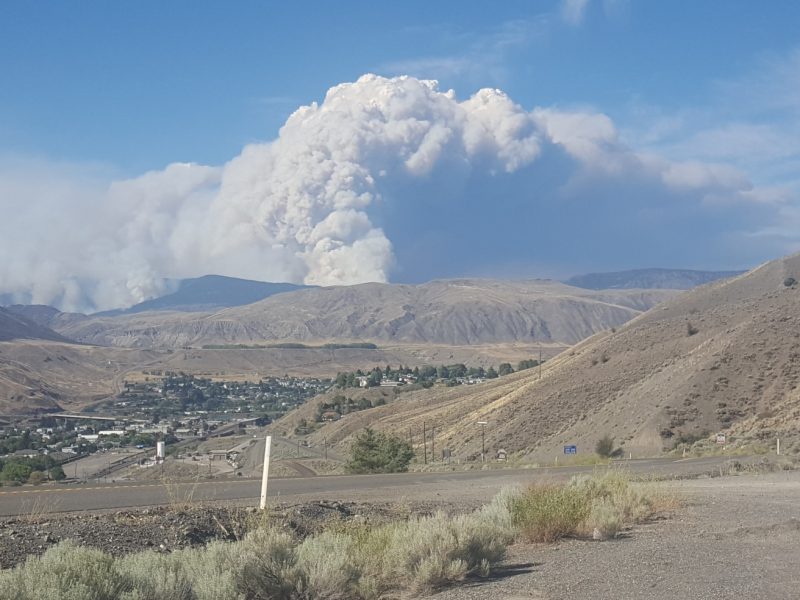
Indigenous evacuees share wildfire experiences in TRU-led research
New research is listening directly to Indigenous people displaced by wildfires to better understand if emergency supports meet their needs.
Thompson Rivers University campuses are on the traditional lands of the Tk'emlúps te Secwépemc (Kamloops campus) and the T’exelc (Williams Lake campus) within Secwepemcúl̓ecw, the traditional and unceded territory of the Secwépemc. The region TRU serves also extends into the territories of the St’át’imc, Nlaka’pamux, Nuxalk, Tŝilhqot'in, Dakelh, and Syilx peoples. Recording by Vernie Clement, Lhoosk’uz Dene, Dakelh
Thompson Rivers University is dedicated to Indigenous student success, to fostering meaningful relationships with Indigenous communities and to promoting Indigenous knowledge and scholarship. Through collaboration, innovation, respect and humility, the university fosters a welcoming environment that is grounded in the principles of reconciliation and can address the calls to action placed on everyone in this country.
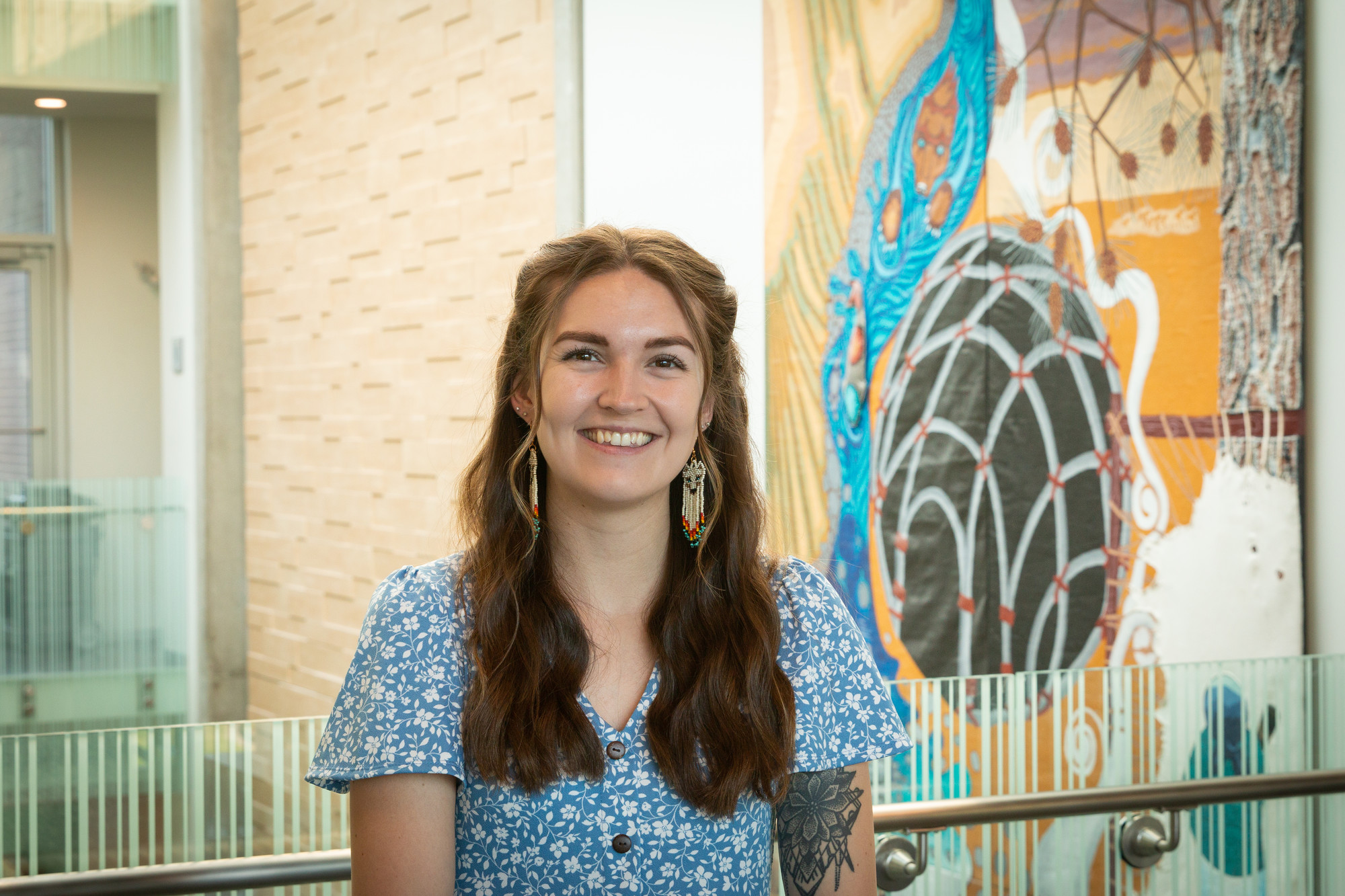
We offer a wide spectrum of choices for students. You can choose anything from a six-month certificate program to a four-year degree and anything in between, including one of our many trades and apprenticeship programs.
Cplul’kw’ten is a friendly and welcoming Indigenous centre that provides information on all aspects of university life and doubles as space to socialize, study or just take a break from your day. It is truly a home away from home.
You are not alone in your journey at TRU. Located in south-central BC and surrounded by numerous First Nations, our university continues to build its network of supports and services.
While many of our students come from the region and are Secwépemc, Dakelh, Tŝilhqot’in, St’át’imc, Okanagan, Nuxalk, Nlaka’pamux, as well as students of Métis and Inuit ancestry, we welcome Indigenous students from across the country and around the globe.
We are right here for you.
Download PDFGood work takes time, and at TRU, indigenizing initiatives are wide-ranging and ongoing.
Here are some examples:
A partnership with Tk’emlúps te Secwépemc
Material from the Secwépemc Cultural Education Society
Indigenous Awareness Week activities
Estil, Secwepemctsín for ‘stop’, is stopping traffic
Ch’nook Scholars program for business students
A First Nations territorial marker
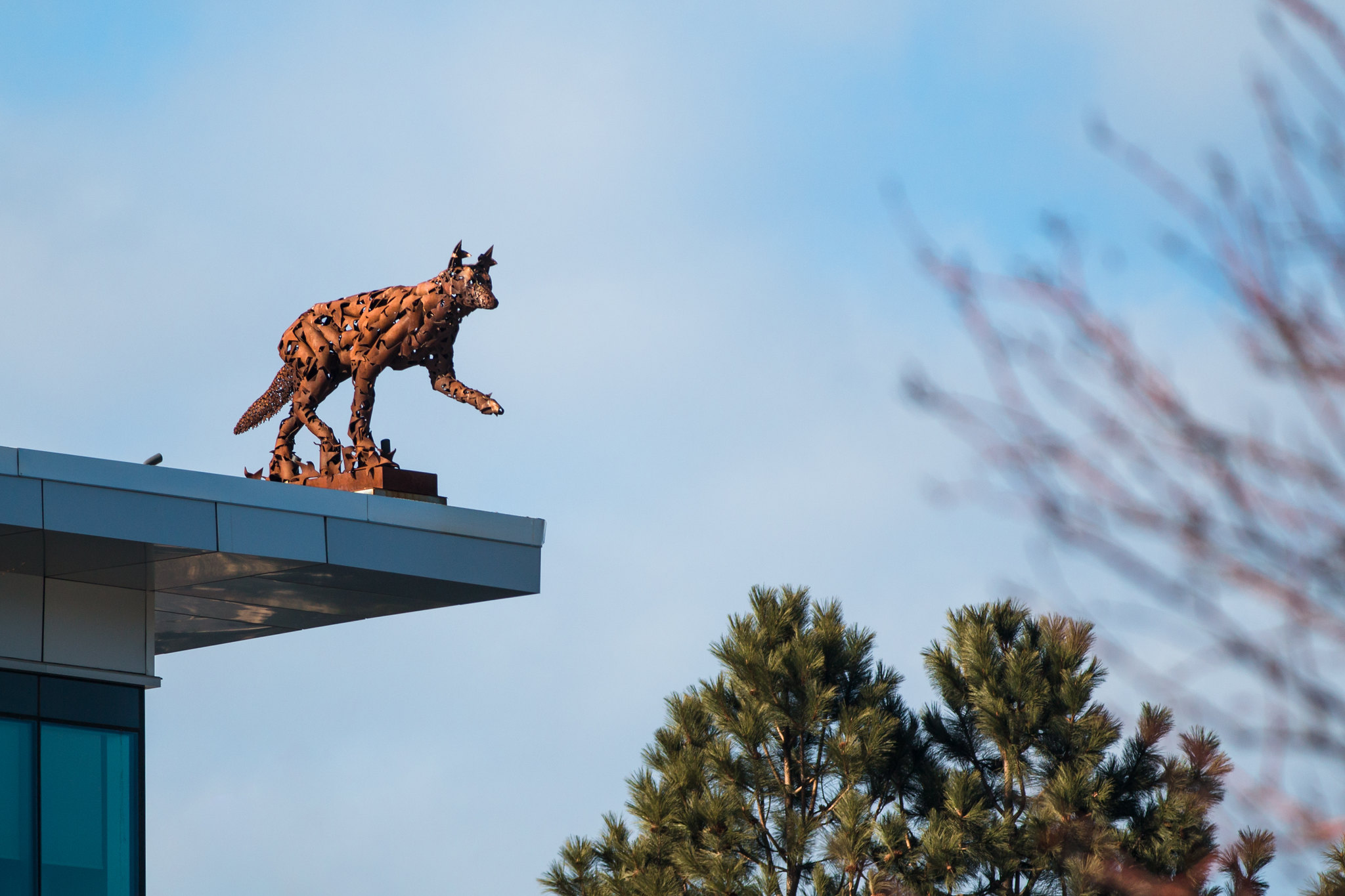
The Coyote project is TRU’s roadmap to achieving the Truth and Reconciliation Commission’s calls to action. It has united all of TRU in creating a campus that is welcoming and supportive to all, especially Indigenous students and staff. Faculties and departments are addressing barriers to recruitment, retention and completion for Indigenous students.
Learn MoreDownload the Secwépemc calendar to explore Indigenous language, culture and seasonal teachings throughout the year. Each month highlights important words, stories and cultural knowledge connected to Secwépemc traditions and ways of knowing, offering opportunities to learn and reflect all year long.
A printed version of the calendar is also available and can be ordered through Print Services for offices, classrooms, or personal use.
We embrace inclusiveness and celebrate Indigenous cultures with events, clubs and many other ways for you to get involved with your campus community.
Even as a child, Jessy Dame knew his future would be tied to health care. With a nursing degree at TRU at hand, this young Métis student is well on his way to fulfilling his calling — but beyond clinic and classroom, Jessy’s time at TRU has also nourished his Indigenous roots, expanded his understanding of the planet and strengthened his capacity to create positive change.
Stay connected with the latest news.
New research is listening directly to Indigenous people displaced by wildfires to better understand if emergency supports meet their needs.

Internationally respected Māori scholar and advocate Dr. Graham Hingangaroa Smith will be recognized at TRU's Fall Convocation on Oct. 9.
Thompson Rivers University is inviting applications from Indigenous scholars for a Tier II Canada Research Chair in Indigenous Health.
Kamloops and Williams Lake campuses are both situated on the traditional and unceded Secwépemc (Shuswap) territory.
We acknowledge and give honour to the Secwépemc — the ancestral peoples who have lived here for thousands of years — upon whose traditional and unceded land Thompson Rivers University is located. The Secwépemc maintain a spiritual and practical relationship to the land, water, air, animals, plants and all things needed for life on Mother Earth. It is with that in mind that we owe this debt of gratitude.
There are approximately 7,000 Secwépemc people in the territory, which spans 180,000 square kilometres through the interior plateau of south central British Columbia. The mountain ranges, grasslands and river valleys surrounding the Fraser, and North and South Thompson rivers create the boundaries of the territory.
TRU has one of the largest Indigenous student populations among BC post-secondary institutions, with well over 2,000 students (about 10 percent), representing 16 First Nation and Indigenous peoples enrolled in new, continuing, Open Learning and trades programs.
In addition to Secwépemc students, Indigenous students at TRU come from several BC nations, including the Carrier, Okanagan, Nuxalk, and Nlaka'pamux, as well as students of Métis and Inuit ancestry.
More than 40 TRU Elders, deans, faculty and staff are the proud recipients of the Alan Blizzard Award from the Society for Teaching and Learning in Higher Education. This national award recognizes excellence in their collaborative teaching through the Knowledge Makers, which mentors Indigenous students to success as Indigenous researchers.