- Equity, Diversity, Inclusion and Anti‑Racism
Indigenous research can drive meaningful change
Distinguished Professor Graham Hingangaroa Smith shows how Indigenous research can transform education and drive meaningful change.
At TRU, we commit to being equitable in all that we do. We champion diversity because of our demographic. We celebrate our respectful relations as essential to inclusion.
The importance of equity, diversity, inclusion and anti-racism, is explicitly articulated in TRU’s vision statement and core values. With inclusive excellence and the elimination of achievement gaps included in our strategic priorities, there is a clear commitment at TRU to foster an environment where human rights are respected and all members of our community feel safe to be their authentic selves.
To lead the change necessary to reduce barriers and achieve meaningful inclusion, TRU is proud to have established our Office of Equity, Diversity, Inclusion and Anti-Racism (EDI and AR), which opened in 2023.
TRU upholds the Universities Canada Inclusive Excellence Principles.

Section 15(1) states "every individual is equal before and under the law and has the right to the equal protection and equal benefit of the law."
Whereas Human Rights within the Charter says, "individuals should have an opportunity equal with other individuals to make for themselves the lives that they are able and wish to have…without being hindered in or prevented from doing without discrimination…based on race, national or ethnic origin, colour, religion, sex, age or mental or physical disability."
Equity, as defined informs provincial human rights legislation and refers to the state of being just, impartial or fair in employment, education, housing, health care etc. without discrimination but may require special measures or programs.
The are many dimensions of diversity such as gender, ability, race, ethnicity, Indigenous identity, sex, age, religion, language, gender identity, etc. What makes each of us unique is the convergence of our diversity or our intersectionality. Examples of intersectionality include being racialized woman with disability or Indigenous man or gay Caucasian man, among countless others.
Inclusive environments require everyone follow the platinum rule of treating people the way they wish to be treated. If someone is unsure how to do this, the answer is straight forward - ask the person. Inclusive environments are free from judgement and assumption, they are respectful, open and safe for everyone.
Is the action-oriented process of identifying and eliminating racism through the intentional changing of systems, organizational structures, polices, practices and attitudes. The expected outcome of the actions is the equitable sharing of redistributed power.
TRU's commitment to equity, diversity, inclusion and anti-racism is put into action through numerous committees and groups working across our campuses.
As an educational institution, it’s part of our fabric to recognize education as a powerful catalyst for change. These are some resources available to enrich your personal journey into equity, diversity, inclusion and anti-racism.
Yes, TRU’s aspirational value is to be community-minded with a global conscience, we boldly redefine the university as a place of belonging — Kw’seltktnéws (we are all related and interconnected with nature, each other, and all things) — where all people are empowered to transform themselves, their communities, and the world.
This value coupled with the unwavering efforts of the Anti-Racism Task Force prompted the establishment and the opening of Office of Equity, Diversity, Inclusion and Anti-Racism (EDI and AR) in July 2023.
As the Office is still in its infancy stages, it is establishing a structure, assessing the internal and external environments and creating a sustainable plan for the future. In addition, the office is consults with students, faculty and staff; it provides workshops upon request; it reviews a variety of internal documents; it engages with community and is fully accessible to all.
Once the office is fully staffed a menu of service options will be made available.
Yes, the Office of EDI and AR oversees the following committees:
The Office of EDI and AR utilizes internal communications mediums for faculty and staff, and the website and social media for students. Feel free to reach out at edi@tru.ca if you’re interested to learn about future opportunities.
Email: edi@tru.ca
Phone: 250-852-7662
Office: Administrative Services Building, third floor
If you have an EDI and AR-related event or news, please email edi@tru.ca.
EDI Basics – In this session, participants will be introduced to the core principles of equity, diversity, and inclusion, with an emphasis on Canadian context and the history of employment equity legislation.
Unconscious Bias – The purpose of this session is to raise awareness of and reflect on unconscious bias. Participants will learn to identify common biases and develop strategies to overcome the effects of unconscious bias.
Active Bystander – This session is intended for participants who have a foundational understanding of EDI. Participants will practice strategies to safely become active bystanders when witnessing harassment, discrimination, or other injustices.
Faculty and staff can learn about events only available internally on our internal page.
Distinguished Professor Graham Hingangaroa Smith shows how Indigenous research can transform education and drive meaningful change.

New research is listening directly to Indigenous people displaced by wildfires to better understand if emergency supports meet their needs.

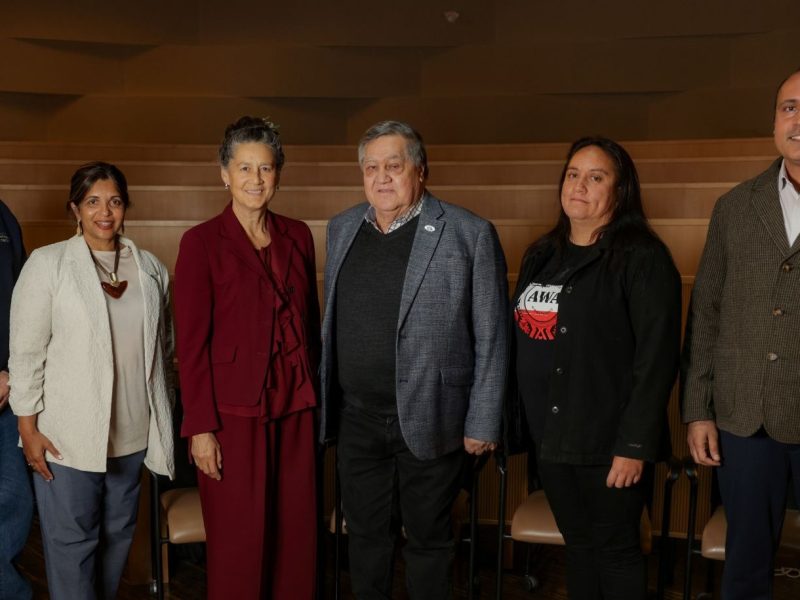
The national partnership supports TRU's ongoing commitment to equity, diversity, inclusion and anti-racism.
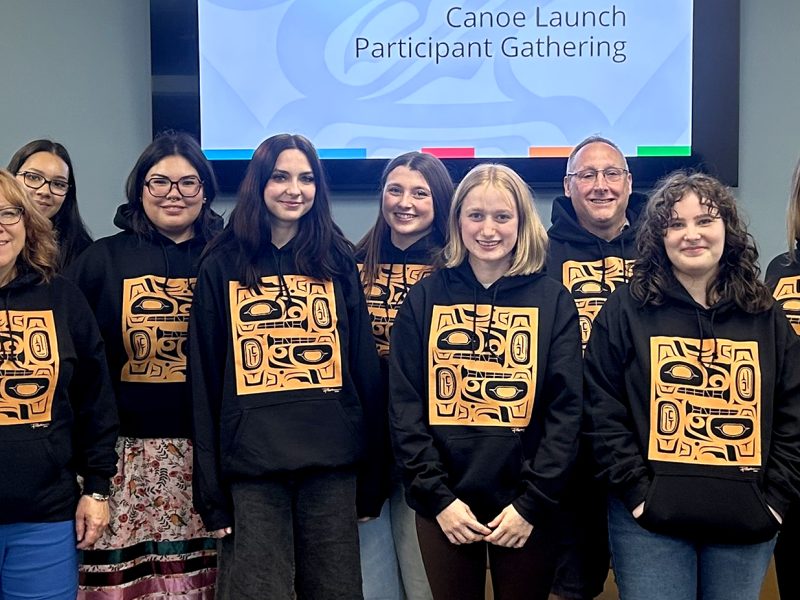
A new initiative of the First Nations Health Authority and TRU gives students opportunities to learn alongside First Nations communities.
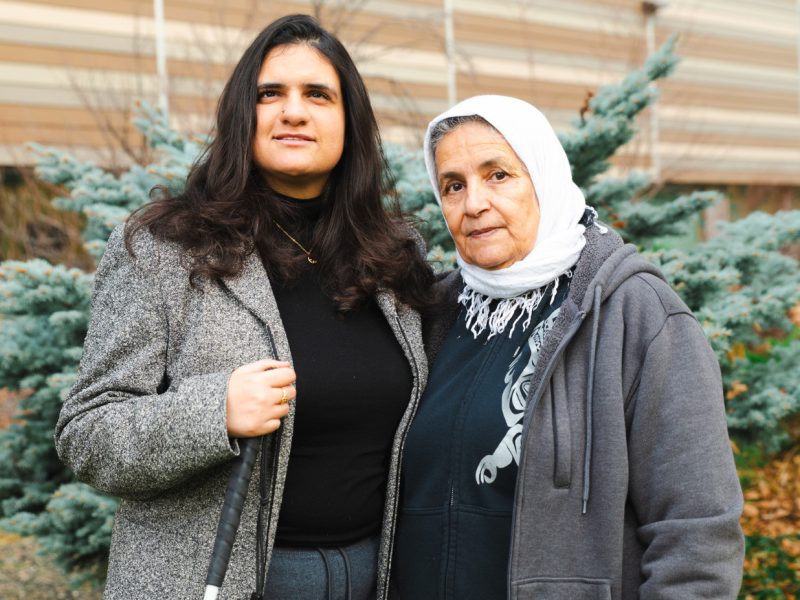
Nada Abdelghaffar, Accessibility Representative for TRUSU Equity, is excited to contribute to meaningful changes from another vantage point.

Yunisha Bist, a third-year Communication and Journalism student, was named the winner of the 2026 Neil Russell Student Leadership Award.
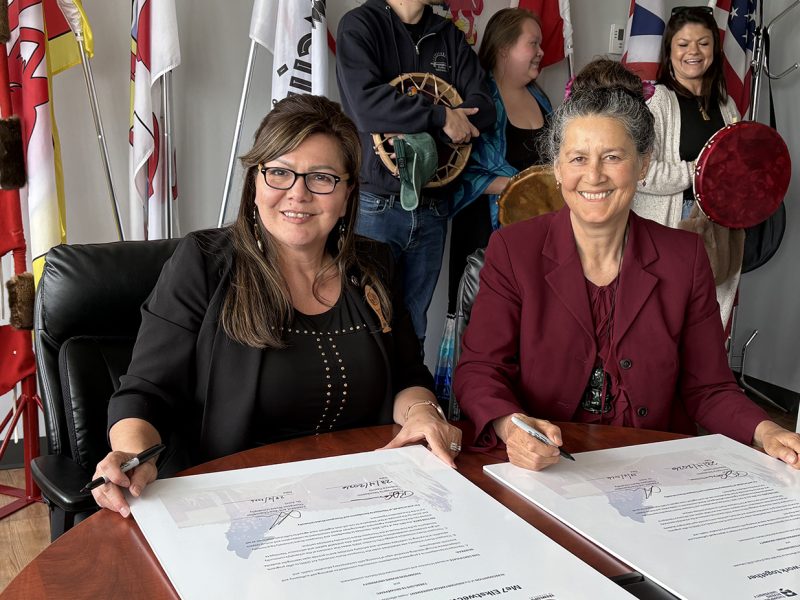
The new partnership agreement formalizes a relationship grounded in mutual recognition and a shared commitment to work together.

A new agreement between TRU and the First Nations Health Authority focuses on improving health outcomes for First Nations communities.